Best Smart Garage Door Openers in 2026
Best smart garage door openers in 2026 compared for security, app control, camera quality, price, and reliability before you buy.
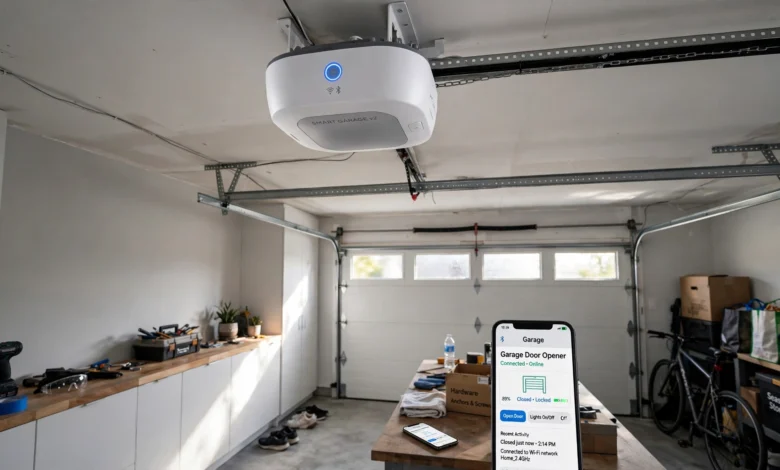
If you have ever driven halfway to work wondering whether you actually closed the garage, you already understand why a smart garage door opener has become one of the more practical upgrades a homeowner can make. It is not a flashy gadget. It is the kind of device you barely think about until the one night you need it, and then you are glad it is there.
In 2026, the category has matured past the early “just connect it to Wi-Fi” phase. The best smart garage door openers now include built-in cameras, real-time alerts, voice assistant support, and battery backup for power outages. At the same time, some brands have started tucking useful features behind monthly subscriptions, which makes shopping a little more complicated than it used to be.
This guide walks through what actually separates a good smart garage door opener from a gimmick, the models worth your money this year, and the honest trade-offs between replacing your opener entirely versus bolting a smart controller onto the one you already have. Whether you are outfitting a new build or finally retiring a chain-drive opener from the Clinton administration, you will find a fit for your budget and your smart home setup below.
What Makes a Garage Door Opener “Smart” in 2026
A smart garage door opener connects to your home Wi-Fi network so you can open, close, and check the status of your garage from a smartphone app, no matter where you are. That sounds simple, but the practical value comes from a handful of features layered on top of basic remote access.
At a minimum, a modern smart opener should give you:
- Remote open and close commands from a mobile app
- Real-time push notifications when the door opens, closes, or is left open too long
- Activity history so you can see exactly who came and went, and when
- Shared access for family members, dog walkers, or house sitters without handing out a physical remote
Higher-end models add video monitoring, two-way audio, geofencing that senses when your phone (and you) arrive home, and integration with delivery services so a driver can leave a package inside your garage instead of on the porch.
Key Features to Look for Before You Buy
Not every smart garage door opener is built the same way, and the spec sheet can get confusing fast. Here is what actually matters when you are comparing models.
App Control and Notifications
The app is where you will spend most of your time with the device, so a clean, responsive interface matters more than most buyers expect. Look for apps that let you set custom schedules, such as an automatic close at 10 p.m. if the door was left open, and that send instant alerts rather than delayed ones.
Built-In or Add-On Camera
A built-in camera lets you glance at your garage in real time instead of guessing what a notification actually means. Some 2026 models include a wide-angle, glare-resistant lens directly in the motor housing, which is convenient but does add to the price. If a camera is not essential to you, skip it and put that money toward a more reliable core opener.

Voice Assistant and Smart Home Compatibility
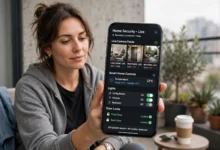
Check whether a model works with the ecosystem you already use. Not every smart garage door opener supports Amazon Alexa, Google Home, Apple HomeKit, and Samsung SmartThings equally well. Some platforms, particularly Chamberlain and LiftMaster’s myQ system, have scaled back third-party integrations in recent years, so confirm compatibility before you buy rather than after.
Battery Backup
A battery backup garage door opener keeps working during a power outage, which matters more than people think until they are stuck outside during a storm. This feature has become close to standard on mid-range and premium units.
Safety Sensors
Every opener sold in the United States is required to include entrapment protection, but it is worth confirming that the included photo-eye sensors fit cleanly on your specific door track. The U.S. Consumer Product Safety Commission warns that non-reversing garage door openers pose a serious entrapment hazard, which is one reason replacing an aging pre-1993 opener is worth doing even if it still technically works.
Subscription-Free Basics
This is the feature nobody advertises but everyone should ask about. Several brands now place video history and advanced camera features behind a paid tier, while keeping alerts, remote control, and activity logs free. Before buying, check exactly what is included at no cost.
Best Smart Garage Door Openers in 2026
Here are the models that consistently stand out this year across price points and use cases.
1. Chamberlain B6753T — Best Overall
The Chamberlain B6753T is the easiest recommendation for most households. It ships as a single, complete unit with a built-in camera, a well-designed app, and support for Amazon Key so Prime members can accept in-garage deliveries. Setup is straightforward, and the belt-drive motor runs quietly enough for a garage under a bedroom.
2. LiftMaster 98022 — Best for Heavy-Duty Garages
If you have an oversized door, a detached garage far from your router, or you simply want the most capable motor on the market, the LiftMaster 98022 is worth the higher price. It pairs strong lifting power with myQ app control, integrated video, and battery backup, making it one of the more complete smart garage door opener replacements available.
3. Genie Aladdin Connect (ALKT1-R) — Best Value
The Genie Aladdin Connect kit delivers Wi-Fi control and multi-user access for around $100, which makes it the best value pick for anyone who wants smart features without paying for a full opener replacement. It supports several major smart home platforms and covers the core basics without a required subscription.
4. Tailwind iQ3 — Best for Keeping Your Existing Opener
The Tailwind iQ3 is a smart controller that wires into an opener you already own, most units manufactured after 1993, and adds app control, Alexa and Google Home compatibility, and a clever feature that senses your car’s Bluetooth signal to open the door automatically as you approach. It is a strong option if your current motor still works fine and you just want to add smart features.
5. Meross MSG200HK — Best for Apple HomeKit and Multiple Doors
For households on Apple HomeKit, or anyone managing more than one garage door, the Meross MSG200HK is hard to beat on price and flexibility. It supports native HomeKit control without a separate bridge and can be installed on more than one door for a fraction of the cost of a full opener swap.
6. Chamberlain myQ Smart Garage Hub — Best Budget Retrofit
At roughly $30, the myQ Smart Garage Hub is the cheapest way to get real smart functionality out of an opener you already have. It will not give you a camera or advanced automation, but it delivers reliable phone control, open-door alerts, and Amazon Key compatibility in about ten minutes of installation time.
7. LiftMaster Elite Series — Best for AI-Based Security Alerts
LiftMaster’s newer Elite-tier openers add anomaly detection that flags unusual activity, such as the door opening at an odd hour, and pairs the alert with a photo if a camera is installed. It is a premium option, but for security-focused buyers it is one of the more genuinely useful upgrades to reach the category this year.
Belt Drive vs. Chain Drive: Why It Matters for a Smart Opener
When you are replacing a full unit rather than adding a controller, you will need to choose between a belt-drive and chain-drive motor.
- Chain drive: Uses a metal chain, costs less upfront, and lasts a long time, but produces noticeable noise and vibration.
- Belt drive: Uses a steel-reinforced rubber belt, runs significantly quieter, and is the better match for any home with a bedroom or living space above or beside the garage.
Most buyers pairing a smart garage door opener with modern home comforts choose belt drive, even at the modest price premium, simply because the noise difference is noticeable the very first time you use it.
Smart Garage Door Openers and Home Security
A garage is one of the largest and most overlooked entry points into a home. Data from the FBI’s Uniform Crime Reporting Program shows a meaningful, sustained decline in burglary rates in recent years, a trend that security researchers partly credit to the wider adoption of connected security devices, including smart openers, cameras, and alarm systems.
A smart garage door opener contributes to that trend in a few concrete ways:
- Instant alerts stop a door from sitting open unnoticed for hours.
- Remote closing lets you fix a mistake the moment you realize it, instead of driving home.
- Activity logs create a record of exactly when the door was used, which is useful both for security and for settling the “did you leave it open” family debate.
- Camera verification lets you confirm who or what triggered an alert before deciding whether to act on it.
None of this replaces a full home security system, but it closes a specific gap that a traditional opener leaves wide open.
Installation and Cost: What to Expect
Costs vary widely depending on whether you are retrofitting an existing opener or replacing the whole unit.
- Smart hub or controller add-on: $30–$120, often a simple DIY install you can finish in under 20 minutes
- Mid-range smart opener replacement: $200–$350, including the motor, rail, and basic smart features
- Premium smart opener with camera and battery backup: $350–$600, typically installed professionally
Full opener replacements involve high-tension springs and heavy overhead components, which is why professional installation is strongly recommended for anything beyond a plug-in smart controller. If you are unsure whether your current setup is a good candidate for a smart hub versus a full replacement, a quick call to a licensed garage door technician can save you from buying the wrong product.
Watch Out for Subscription Fees
The single biggest complaint about smart garage door openers in 2026 is not reliability, it is the creeping monthly fee. Several major platforms now charge for extended video history, advanced camera features, or cloud storage, even though the core app control and alerts remain free.
Before buying, confirm three things:
- What features are included at no cost, permanently
- Whether a subscription is required to use the camera at all, or only for extended history
- Whether the manufacturer has a track record of quietly moving free features behind a paywall after purchase
A little research here can save you from an unpleasant surprise a year into ownership.
Frequently Asked Questions
Do smart garage door openers work with Apple HomeKit? Some do and some do not. Models like the Meross MSG200HK and Tailwind iQ3 support HomeKit natively, while Chamberlain’s myQ platform historically has not.
Can I add smart features without replacing my whole opener? Yes. A smart controller like the Chamberlain myQ Smart Garage Hub, Tailwind iQ3, or Genie Aladdin Connect wires into most openers manufactured after 1993 and adds app control without a full motor replacement.
Is a subscription required to use a smart garage door opener? Not for the basics. Most brands offer free remote control, alerts, and activity history. Subscriptions typically apply only to extended video storage or advanced camera analytics.
How long does professional installation take? A full opener replacement usually takes two to three hours. A smart hub or controller add-on can often be done yourself in 10 to 20 minutes.
Conclusion
Choosing the best smart garage door opener in 2026 comes down to matching the device to your actual setup rather than chasing the flashiest feature list. If you want a complete, no-fuss replacement, the Chamberlain B6753T or LiftMaster 98022 will serve you well. If your current opener still runs fine, a controller like the Tailwind iQ3, Genie Aladdin Connect, or Meross MSG200HK gets you the same convenience and security benefits for a fraction of the cost.
Whichever route you take, pay attention to smart home compatibility, confirm what is genuinely free versus subscription-locked, and choose belt drive if noise is a concern. Get those decisions right, and you will stop wondering whether the garage is closed and start actually knowing.