Best Superfoods for Boosting Energy and Immunity
Discover the best superfoods for boosting energy and immunity naturally. Learn which nutrient-dense foods strengthen your immune system and increase vitality.
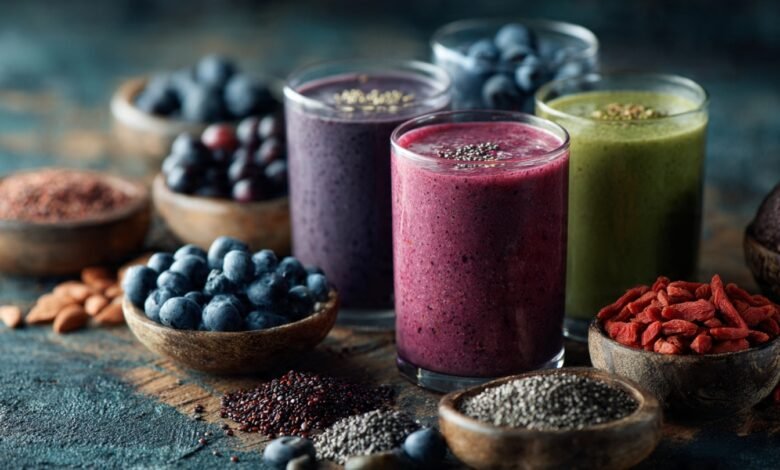
Feeling tired all the time? Getting sick more often than you’d like? The answer might be hiding in your kitchen. What you eat has a direct impact on your energy levels and how well your immune system functions. While there’s no magic pill that can instantly transform your health, certain nutrient-dense foods can give your body exactly what it needs to perform at its best.
The concept of “superfoods” has been thrown around a lot in recent years, but here’s the truth: it’s not about finding one perfect food. It’s about consistently eating a variety of foods that are packed with vitamins, minerals, and antioxidants that support your body’s natural defenses. Your immune function depends on getting the right fuel, and when you’re running low on essential nutrients, you’re more likely to feel sluggish and get sick.
Think about your immune system like a security team for your body. When it’s well-fed and strong, it can identify threats like viruses and bacteria and deal with them quickly. When it’s weak from poor nutrition, those same threats can overwhelm your defenses. The same goes for energy. If you’re filling up on processed foods and sugar, you’ll get quick spikes followed by crashes. But when you eat whole foods rich in complex nutrients, you get sustained energy that lasts throughout the day.
In this article, we’ll explore the best superfoods that can genuinely make a difference in how you feel. These aren’t exotic ingredients you need to hunt down at specialty stores. Most of them are probably available at your local grocery store right now.
Understanding How Food Impacts Your Immune System and Energy
Before we get into specific foods, it’s helpful to understand what’s actually happening in your body when you eat immune-boosting foods.
Your immune system is a complex network of cells, tissues, and organs that work together to defend against harmful invaders. At the center of this defense system are white blood cells, which identify and destroy threats. These cells need specific nutrients to function properly, including vitamin C, vitamin D, zinc, and selenium.
When you eat foods rich in these nutrients, you’re giving your immune cells the tools they need to do their job. Dark vegetables such as spinach, kale and collard greens have high levels of vitamin C along with antioxidants and beta carotene, all of which help fight infection.
Energy production works differently but is equally dependent on nutrition. Your body converts food into a molecule called ATP, which powers everything from your heartbeat to your thoughts. B vitamins, iron, magnesium, and omega-3 fatty acids all play crucial roles in this energy production process.
The connection between gut health and immunity is another key piece of the puzzle. About 70% of the immune system is housed in the gut, which means keeping your digestive system healthy directly impacts your ability to fight infection.

Top Superfoods That Boost Both Energy and Immunity
Citrus Fruits: Your Vitamin C Powerhouses
Everyone knows oranges are good for you when you have a cold, but the benefits of citrus fruits go much deeper than that. Oranges, grapefruits, lemons, limes, and tangerines are loaded with vitamin C, a nutrient that increases the production of white blood cells.
What makes citrus fruits particularly valuable is that vitamin C is water-soluble, meaning your body doesn’t store it. You need to get it regularly through your diet. The natural sugars in citrus also provide quick energy without the crash you’d get from processed sweets.
Try starting your day with a glass of fresh lemon water or adding orange segments to your salad. The combination of vitamin C and fiber in whole citrus fruits supports your gut, brain, and immune health simultaneously.
Leafy Greens: Nature’s Multivitamin
If there’s one food group you should eat every single day, it’s leafy greens. Spinach, kale, Swiss chard, collard greens, and arugula are packed with vitamins A, C, and E, along with fiber, iron, and folate.
The iron in leafy greens is essential for preventing fatigue. When you’re low on iron, your body can’t transport oxygen efficiently, which leaves you feeling exhausted. The folate helps regulate neurotransmitters in your brain, which can improve your mood and mental energy.
These vegetables are also rich in beta-carotene, which your body converts into vitamin A. This vitamin is crucial for maintaining healthy immune response and helps your antibodies respond to threats effectively.
The best way to maximize nutrient absorption from leafy greens is to eat them with healthy fats. Make a salad with olive oil dressing, or sauté your greens with a bit of avocado oil.
Berries: Small but Mighty Antioxidant Bombs
Blueberries, strawberries, raspberries, and blackberries are some of the most antioxidant-rich foods you can eat. Of the most common fruits in the US, blueberries have the highest antioxidant content.
These antioxidants protect your cells from damage caused by free radicals, which are unstable molecules that can weaken your immune system and drain your energy. The vitamin C in berries further supports immune function, while the natural sugars provide a quick energy boost.
What’s great about berries is their versatility. Add them to yogurt for breakfast, blend them into smoothies, or eat them as a snack. Frozen berries are just as nutritious as fresh ones and are often more affordable.
Fatty Fish: The Omega-3 Champions
Salmon, mackerel, sardines, and tuna are rich in omega-3 fatty acids and high-quality protein. Omega-3 fatty acids help reduce inflammation throughout the body, which is crucial for maintaining a healthy immune system.
Chronic inflammation can wear down your immune defenses and make you feel constantly tired. The anti-inflammatory properties of omega-3s help combat this, while the protein provides sustained energy throughout the day.
Fish is also one of the few natural food sources of vitamin D, which plays a vital role in immune regulation. Many people are deficient in vitamin D, especially during winter months, which can make them more susceptible to illness.
Aim for at least two servings of fatty fish per week. If you’re not a fan of fish, consider high-quality fish oil supplements, though whole food sources are always preferable.
Nuts and Seeds: Portable Energy Boosters
Almonds, walnuts, sunflower seeds, and pumpkin seeds are excellent sources of vitamin E, zinc, selenium, and healthy fats. Nuts such as almonds and walnuts as well as seeds such as sunflower contain several vitamins and minerals that help regulate and maintain your immune system.
Vitamin E is a powerful antioxidant that’s essential for immune system function. Since it’s fat-soluble, the natural fats in nuts and seeds help your body absorb it effectively. The protein and healthy fats also provide long-lasting energy without blood sugar spikes.
Zinc is particularly important because it helps create and activate white blood cells. Your body doesn’t store zinc, so you need to get it regularly through food.
Keep a small container of mixed nuts in your bag for an easy snack. A handful (about a quarter cup) is a perfect serving size that provides energy and nutrients without too many calories.
Yogurt and Fermented Foods: Gut Health Heroes
Plain yogurt with live cultures, kefir, sauerkraut, kimchi, and miso are rich in probiotics, the beneficial bacteria that live in your gut. Since so much of your immune system resides in your digestive tract, keeping your gut microbiome healthy is essential for disease resistance.
Probiotics may ease the severity of colds and studies show that people with low vitamin D levels may be more likely to get colds or the flu.
When choosing yogurt, look for labels that say “live and active cultures” and avoid varieties with added sugar. Greek yogurt is particularly high in protein, which helps maintain steady energy levels throughout the day.
Try adding yogurt to your breakfast routine with berries and nuts, or use kefir as a base for smoothies. If you’re adventurous, add kimchi or sauerkraut to salads and sandwiches for a probiotic boost.
Garlic: The Ancient Medicine
Garlic has been used for medicinal purposes for thousands of years, and modern science confirms what ancient civilizations knew instinctively. Garlic is immune-stimulating, increasing the activity of NK cells, a type of immune cell that has granules with enzymes that can kill tumor cells or cells infected with a virus.
The sulfur-containing compounds in garlic, particularly allicin, give it powerful immune-boosting properties. Garlic is also anti-inflammatory and can support cardiovascular health by helping to lower cholesterol and blood pressure.
For maximum benefit, crush or chop garlic and let it sit for about 10 minutes before cooking. This allows the beneficial compounds to fully develop. Add it to soups, stir-fries, roasted vegetables, or salad dressings.
Mushrooms: The Immune Modulators
Shiitake, maitake, and other medicinal mushrooms have been used in traditional medicine for centuries. Beta-d-glucan extracted from mushrooms has been shown to stimulate the immune response of NK cells, B cells, T cells, and macrophages.
What makes mushrooms unique is that they don’t just boost immunity in one direction. They can help modulate immune response, meaning they help balance it rather than simply ramping it up. This makes them valuable for overall immune health.
Mushrooms are also one of the few plant sources of vitamin D, especially when they’ve been exposed to sunlight. They’re low in calories but rich in B vitamins, which are essential for energy production.
Add mushrooms to omelets, stir-fries, soups, or pasta dishes. If you can find varieties like shiitake or maitake at your local market, they offer even more immune benefits than common button mushrooms.
Sweet Potatoes: Complex Carb Comfort
Sweet potatoes are rich in beta-carotene, fiber, and complex carbohydrates that provide sustained energy. The beta-carotene converts to vitamin A in your body, supporting healthy immune function and protecting your cells from damage.
Unlike simple carbohydrates that cause blood sugar spikes and crashes, the complex carbs in sweet potatoes break down slowly, providing steady energy for hours. The fiber also feeds beneficial gut bacteria, supporting your digestive health and immunity.
Roast sweet potatoes with a little olive oil and your favorite spices for a satisfying side dish, or mash them as a healthier alternative to white potatoes.
Green Tea: The Antioxidant Beverage
Green tea contains powerful antioxidants called catechins, particularly epigallocatechin gallate (EGCG). Research has suggested that EGCG may have antiviral properties that support the immune system.
Green tea also contains an amino acid called L-theanine, which can help you feel alert without the jittery feeling that coffee sometimes causes. This makes it an excellent choice for sustained mental energy.
The antioxidants in green tea help reduce inflammation throughout your body, which supports both immune function and energy production. Drink it hot or cold, and consider adding a squeeze of lemon to boost vitamin C content.
How to Incorporate These Superfoods Into Your Daily Diet
Knowing which foods are beneficial is one thing, but actually eating them consistently is another. Here are practical ways to make these immune-boosting foods part of your regular routine:
Start with breakfast. Add berries and nuts to yogurt or oatmeal. Make a smoothie with leafy greens, berries, and a banana. Scramble eggs with spinach and mushrooms.
Build better salads. Use dark leafy greens as your base and pile on colorful vegetables, citrus segments, nuts, and a dressing made with olive oil and lemon.
Prep proteins in advance. Cook a large batch of salmon or chicken at the beginning of the week. Having protein ready makes it easier to throw together healthy meals.
Keep healthy snacks visible. Put a bowl of oranges on your counter. Keep small portions of mixed nuts where you can easily grab them.
Experiment with spices. Add garlic, ginger, and turmeric to as many dishes as possible. These powerful anti-inflammatory spices boost flavor and nutrition.
Drink smart. Replace some of your coffee or soda with green tea. Start your morning with warm lemon water.
The key is consistency. You don’t need to eat every superfood every day, but aim to include several servings of these nutrient-dense foods in your daily meals.
Lifestyle Factors That Work With Nutrition
While eating the right foods is crucial, it’s not the only factor in maintaining strong immunity and high energy levels. Your immune system and energy production are affected by several lifestyle factors that work together with nutrition.
Get enough sleep. Your body repairs and regenerates during sleep. When you’re sleep-deprived, your immune system can’t function properly, and you’ll feel exhausted no matter what you eat.
Manage stress. Chronic stress weakens immune function and drains energy. Find healthy ways to manage stress, whether through exercise, meditation, or activities you enjoy.
Stay hydrated. Water helps transport nutrients throughout your body and supports every cellular function. Dehydration can make you feel tired and impair immune function.
Exercise regularly. Moderate exercise boosts circulation, helping immune cells travel throughout your body more efficiently. It also improves energy levels over time, even though you might feel tired immediately after a workout.
Avoid smoking and excessive alcohol. Both can significantly impair immune function and reduce your body’s ability to produce energy efficiently.
What About Supplements?
With all this talk about superfoods for immunity and energy, you might wonder whether you should take supplements instead. Unless you have a deficiency in a key nutrient, such as vitamin C or zinc, there’s no convincing evidence that any particular product meaningfully improves immune function in healthy people.
Your body absorbs nutrients much more efficiently from whole foods than from supplements. Food contains hundreds of compounds that work together in ways we don’t fully understand. When you isolate individual nutrients in a pill, you miss out on this synergistic effect.
That said, some people may benefit from specific supplements under certain circumstances, such as vitamin D during winter months in northern climates, or B12 for people following a plant-based diet. If you’re concerned about nutritional deficiencies, talk to your doctor about getting tested before starting supplements.
Conclusion
Building a strong immune system and maintaining high energy levels isn’t about finding one miracle food or taking the perfect supplement. It’s about consistently eating a variety of nutrient-dense foods that give your body the tools it needs to function at its best. The best superfoods for boosting energy and immunity include citrus fruits, leafy greens, berries, fatty fish, nuts and seeds, yogurt, garlic, mushrooms, sweet potatoes, and green tea. These foods are rich in vitamins, minerals, antioxidants, and other compounds that support immune function and energy production. By incorporating several of these foods into your daily diet, along with healthy lifestyle habits like adequate sleep, stress management, and regular exercise, you’ll give yourself the best chance to stay healthy, focused, and energized. Start small by adding one or two new foods this week, and build from there. Your body will thank you.