10 Best Home Workouts for Beginners Without Equipment
Discover the best home workouts for beginners without equipment. Build strength, burn calories, and get fit with these bodyweight exercises you can do anywhere.
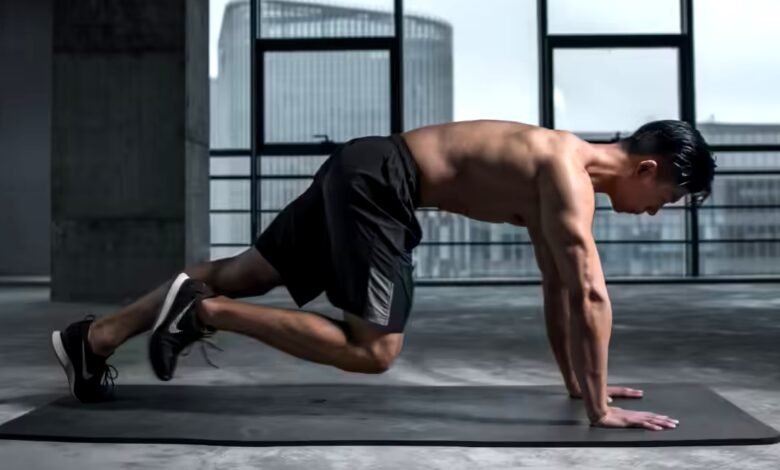
Getting started with fitness doesn’t require an expensive gym membership or fancy equipment. The truth is, your body is the most powerful tool you already own for building strength and improving your health. Home workouts for beginners have become increasingly popular because they offer convenience, flexibility, and proven results without spending a dime on equipment.
Bodyweight exercises are perfect for anyone new to fitness because they allow you to master proper form while building a solid foundation of strength. Whether you’re working out in your living room, bedroom, or backyard, these movements engage multiple muscle groups simultaneously, helping you develop functional strength that translates to everyday activities. Research shows that bodyweight training can effectively build muscle mass, improve cardiovascular fitness, and support weight loss when combined with proper nutrition.
This guide will walk you through the 10 best workouts without equipment specifically designed for beginners. Each exercise includes detailed instructions, tips for proper form, and modifications to match your current fitness level. You’ll learn how to create an effective workout routine that fits into your schedule and helps you achieve your fitness goals from the comfort of your home.
Why Choose Home Workouts Without Equipment?
Before diving into the specific exercises, it’s worth understanding why at-home workouts are such an effective choice for beginners.
Convenience and Accessibility
One of the biggest advantages of no equipment workouts is that you can exercise anywhere, anytime. There’s no commute to the gym, no waiting for machines, and no pressure to perform in front of others. You control your environment, your schedule, and your pace. This flexibility makes it much easier to stay consistent, which is the real key to seeing results.
Cost-Effective Fitness
Traditional gym memberships can cost hundreds of dollars per year, not to mention the potential expense of personal trainers or specialized classes. With home fitness routines, your only investment is your time and effort. You’re getting the same muscle-building and fat-burning benefits without the financial burden.
Build Functional Strength
Unlike machine-based workouts that often isolate single muscles, bodyweight training engages multiple muscle groups at once. This develops functional strength that helps with real-world activities like carrying groceries, playing with kids, or moving furniture. You’re training your body to work as a cohesive unit.
Lower Risk of Injury
When you’re learning proper movement patterns with just your body weight, there’s less risk of injury compared to jumping straight into heavy weights. You can focus on mastering form and technique before progressing to more challenging variations.
The 10 Best Home Workouts for Beginners
Let’s explore the most effective beginner workout movements you can start practicing today. These exercises target all major muscle groups and can be combined into a complete full body workout.


1. Bodyweight Squats
Squats are the foundation of any solid fitness routine. They target your quadriceps, hamstrings, glutes, and core while improving lower body strength and mobility.
How to perform:
- Stand with feet shoulder-width apart, toes pointing slightly outward
- Keep your chest up and core engaged
- Lower your hips back and down as if sitting in a chair
- Descend until your thighs are parallel to the floor (or as low as comfortable)
- Push through your heels to return to standing
- Keep your knees tracking over your toes throughout the movement
Beginner tip: If full squats are challenging, try sitting down and standing up from a chair to build strength. You can also place a stability ball between your back and a wall for added support.
Reps: Start with 10-15 repetitions for 2-3 sets
2. Push-Ups
Push-ups are one of the most effective strength training exercises for building upper body and core strength. They work your chest, shoulders, triceps, and abdominal muscles.
How to perform:
- Start in a plank position with hands slightly wider than shoulder-width apart
- Keep your body in a straight line from head to heels
- Lower your chest toward the floor by bending your elbows
- Keep your elbows at about a 45-degree angle from your body
- Push back up to the starting position
- Maintain core tension throughout
Beginner modifications: Start with wall push-ups, then progress to countertop push-ups, and eventually knee push-ups before attempting full push-ups. There’s no shame in starting with modifications – proper form is more important than doing the hardest variation.
Reps: Aim for 5-10 repetitions for 2-3 sets, adjusting based on your current strength
3. Planks
Planks are exceptional for building core strength and stability. They engage your entire midsection along with your shoulders, back, and glutes.
How to perform:
- Start on your forearms and toes, creating a straight line from head to heels
- Keep your elbows directly beneath your shoulders
- Engage your core by pulling your belly button toward your spine
- Avoid letting your hips sag or pike up
- Keep your neck neutral by looking at the floor about a foot in front of you
- Breathe steadily throughout the hold
Beginner modification: Start with planks on your knees, or perform shorter holds with more rest between sets.
Duration: Hold for 20-30 seconds for 2-3 sets, gradually increasing time as you get stronger
4. Lunges
Lunges build single-leg strength, improve balance, and target your quadriceps, hamstrings, and glutes. They’re also excellent for identifying and correcting strength imbalances between legs.
How to perform:
- Stand with feet hip-width apart
- Step forward with your right leg
- Lower your hips until both knees form 90-degree angles
- Your front knee should stay directly above your ankle
- Push through your front heel to return to starting position
- Alternate legs or complete all reps on one side before switching
Beginner tip: Use a wall or chair for balance if needed. Focus on controlled movements rather than speed.
Reps: Perform 8-10 lunges per leg for 2-3 sets
5. Glute Bridges
This exercise routine staple strengthens your glutes, hamstrings, and lower back while improving hip mobility. It’s particularly beneficial if you spend a lot of time sitting.
How to perform:
- Lie on your back with knees bent and feet flat on the floor, hip-width apart
- Place your arms at your sides, palms down
- Engage your core and squeeze your glutes
- Lift your hips off the ground until your body forms a straight line from knees to shoulders
- Hold at the top for 2-3 seconds
- Lower back down with control, without letting your glutes touch the floor
- Repeat
Progression: Try single-leg bridges once the standard version becomes easy.
Reps: Complete 12-15 repetitions for 2-3 sets
6. Mountain Climbers
Mountain climbers combine cardiovascular fitness with core strengthening, making them perfect for raising your heart rate during a bodyweight workout.
How to perform:
- Start in a high plank position with hands directly under shoulders
- Engage your core to keep your body stable
- Drive your right knee toward your chest
- Quickly switch legs, extending the right leg back while bringing the left knee forward
- Continue alternating at a controlled pace
- Keep your hips level and core tight throughout
Beginner modification: Slow down the pace or step your feet forward one at a time instead of jumping.
Reps: Perform for 20-30 seconds for 2-3 sets
7. Tricep Dips
Using a sturdy chair or couch, tricep dips effectively target the back of your arms while also engaging your shoulders and chest.
How to perform:
- Sit on the edge of a stable chair with hands gripping the edge beside your hips
- Slide your hips off the chair with legs extended (or bent for easier variation)
- Lower your body by bending your elbows to about 90 degrees
- Keep your elbows pointing straight back, not out to the sides
- Press through your palms to return to starting position
- Keep your back close to the chair throughout
Beginner tip: Bend your knees more to make the exercise easier. As you get stronger, straighten your legs.
Reps: Start with 8-10 repetitions for 2-3 sets
8. Bird Dogs
This movement improves balance, coordination, and core stability while strengthening your back and glutes. It’s an excellent addition to any beginner friendly routine.
How to perform:
- Start on your hands and knees in a tabletop position
- Keep your spine neutral and core engaged
- Simultaneously extend your right arm forward and left leg back
- Your arm and leg should form a straight line with your torso
- Hold for 2-3 seconds
- Return to starting position and repeat on the opposite side
- Avoid rotating your hips or arching your back
Beginner modification: Practice lifting just an arm or just a leg until you can maintain balance with both.
Reps: Complete 8-10 repetitions per side for 2-3 sets
9. Jumping Jacks
A classic cardio move, jumping jacks elevate your heart rate, improve coordination, and burn calories while serving as an excellent warm-up or circuit training exercise.
How to perform:
- Stand with feet together and arms at your sides
- Jump your feet out to shoulder-width while raising your arms overhead
- Immediately jump back to the starting position
- Maintain a steady rhythm
- Land softly to reduce impact on your joints
Beginner modification: Step one foot out at a time instead of jumping. You can also reduce the range of motion with your arms.
Reps: Perform for 30-45 seconds for 2-3 sets
10. Superman Hold
The Superman targets your lower back, glutes, and shoulders while promoting better posture. It’s a perfect complement to plank exercises for complete core development.
How to perform:
- Lie face down on the floor with arms extended overhead
- Keep your neck in a neutral position by looking at the floor
- Simultaneously lift your arms, chest, and legs off the ground
- Squeeze your glutes and engage your back muscles
- Hold this position while breathing steadily
- Lower back down with control
Beginner tip: Start by lifting just your upper body or just your legs until you build enough strength to lift both.
Duration: Hold for 15-20 seconds for 2-3 sets
Creating Your Complete Workout Routine
Now that you know the individual exercises, here’s how to combine them into an effective workout routine at home.
Sample Beginner Workout Plan
Warm-up (5 minutes):
- 30 seconds of gentle marching in place
- 30 seconds of arm circles
- 30 seconds of leg swings (each leg)
- 30 seconds of hip circles
- Repeat cycle twice
Main Workout (20-25 minutes):
Complete this circuit training routine by performing each exercise back-to-back with minimal rest:
- Bodyweight Squats – 12 reps
- Push-Ups (modified if needed) – 8 reps
- Glute Bridges – 15 reps
- Plank – 20-30 seconds
- Lunges – 8 reps per leg
- Jumping Jacks – 30 seconds
- Tricep Dips – 10 reps
- Mountain Climbers – 20 seconds
- Bird Dogs – 8 reps per side
- Superman Hold – 15 seconds
Rest for 1-2 minutes after completing all exercises, then repeat the entire circuit 2-3 times depending on your fitness level.
Cool-down (5 minutes):
- Light stretching focusing on all major muscle groups
- Deep breathing exercises
- Gentle walking to bring heart rate down
Workout Schedule for Beginners
For optimal results, aim to complete this strength training routine 3-4 times per week, with at least one rest day between sessions. Your muscles need time to recover and rebuild, which is when actual strength gains occur.
Sample weekly schedule:
- Monday: Full body workout
- Tuesday: Rest or light walking
- Wednesday: Full body workout
- Thursday: Rest or yoga/stretching
- Friday: Full body workout
- Saturday: Active recovery (walking, swimming, cycling)
- Sunday: Rest
Tips for Success with Home Workouts
Focus on Progressive Overload
According to the American Council on Exercise, one of the key principles of building strength is progressive overload. This means gradually increasing the challenge of your workouts over time. You can do this by:
- Adding more repetitions
- Performing more sets
- Decreasing rest time between exercises
- Trying more challenging exercise variations
- Increasing time under tension (moving more slowly)
Prioritize Form Over Quantity
It’s better to do 5 perfect push-ups than 20 sloppy ones. Proper form prevents injury and ensures you’re actually working the intended muscles. If you’re unsure about your form, record yourself or practice in front of a mirror.
Stay Consistent
Results come from consistent effort over time. Even if you can only manage 15-20 minutes of exercise three times per week, that’s infinitely better than sporadic hour-long sessions. Make your home fitness routine a non-negotiable part of your schedule.
Listen to Your Body
There’s a difference between the discomfort of challenging yourself and pain that signals potential injury. Muscle soreness is normal, especially when starting out. Sharp pain, joint discomfort, or pain that worsens during exercise should not be ignored.
Combine Exercise with Proper Nutrition
According to Harvard Health, exercise is just one component of a healthy lifestyle. What you eat plays a massive role in your results. Focus on whole foods, adequate protein, plenty of vegetables, and proper hydration. You can’t out-exercise a poor diet.
Track Your Progress
Keep a simple log of your workouts. Write down how many reps you completed, how long you held planks, and how you felt during the session. This helps you see improvement over time and keeps you motivated. Seeing tangible progress, like going from 5 push-ups to 15 over a few weeks, is incredibly rewarding.
Make It Enjoyable
Find ways to make your workout routine enjoyable. Play music you love, invite a friend to join you virtually, or reward yourself after completing a week of workouts. The more you enjoy the process, the more likely you are to stick with it long-term.
Common Mistakes to Avoid
Skipping Warm-Ups
Jumping straight into intense exercise without warming up increases injury risk. Spend at least 5 minutes gradually elevating your heart rate and loosening your muscles.
Doing Too Much Too Soon
Beginning with hour-long workouts or attempting advanced variations is a recipe for burnout or injury. Start conservatively and build up gradually.
Neglecting Rest Days
Your muscles grow and strengthen during recovery, not during the workout itself. Adequate rest is essential for progress and injury prevention.
Holding Your Breath
Many beginners hold their breath during difficult movements. This can spike blood pressure and reduce performance. Practice breathing steadily throughout each exercise.
Comparing Yourself to Others
Everyone starts at a different fitness level. Focus on your own progress rather than comparing yourself to social media fitness influencers who may have been training for years.
Progressing Beyond Beginner Level
As you get stronger over the coming weeks, you’ll need to make your bodyweight exercises more challenging. Here are some progression strategies:
Add Tempo Variations
Slow down the eccentric (lowering) portion of exercises. For example, take 3-4 seconds to lower yourself in a push-up, then push back up normally.
Include Plyometric Variations
Once you master basic movements, add explosive elements like jump squats, clap push-ups, or burpees.
Increase Volume
Gradually add more sets, more reps, or additional exercises to your routine.
Try Advanced Variations
Progress from standard squats to pistol squats, from regular push-ups to one-arm push-ups, or from planks to plank-ups.
Combine Movements
Create compound exercises by combining two movements, such as a squat followed by an overhead press motion.
Conclusion
Starting your fitness journey with home workouts for beginners without equipment is one of the smartest decisions you can make. These 10 bodyweight exercises provide everything you need to build strength, improve cardiovascular health, and transform your body from the comfort of your home. The key is consistency, proper form, and gradual progression. You don’t need expensive equipment or a gym membership to get fit – you just need commitment and the willingness to show up for yourself. Start with the basic routine outlined here, listen to your body, and gradually increase the challenge as you get stronger. Within weeks, you’ll notice improved strength, better endurance, and increased confidence.

